Each day in the classroom brings new discoveries as young children explore, grow, and interact. Teachers juggle many responsibilities, making it a challenge to keep up with every child’s progress while still nurturing a love of learning. Finding ways to observe and record growth that highlight real abilities and encourage curiosity becomes essential. This guide introduces practical methods for documenting children’s development, allowing educators to notice genuine moments without becoming overwhelmed by forms and checklists. By following these ideas, you will gain helpful tools that naturally fit into your teaching and support open, thoughtful communication with families about each child’s journey.
We’ll explore various techniques—from low-key observations to playful assessments—and show how to integrate them into your routines. Each method offers examples you can adopt immediately. Let’s jump in and give kids the spotlight they deserve.
Overview of Assessment in Early Childhood
When you think about checking progress, tests and quizzes don’t immediately come to mind as suitable for young children. You need flexible approaches that match play, exploration, and social interactions. Observing how kids build block towers, engage in pretend games, or share toys reveals their learning in action.
A reliable early childhood assessment depends on continuous snapshots rather than a single test day. You gather evidence from many moments, notice patterns, and collaborate with families. That way, you create a living portrait of each child’s strengths and next steps.
Observation-Based Strategies
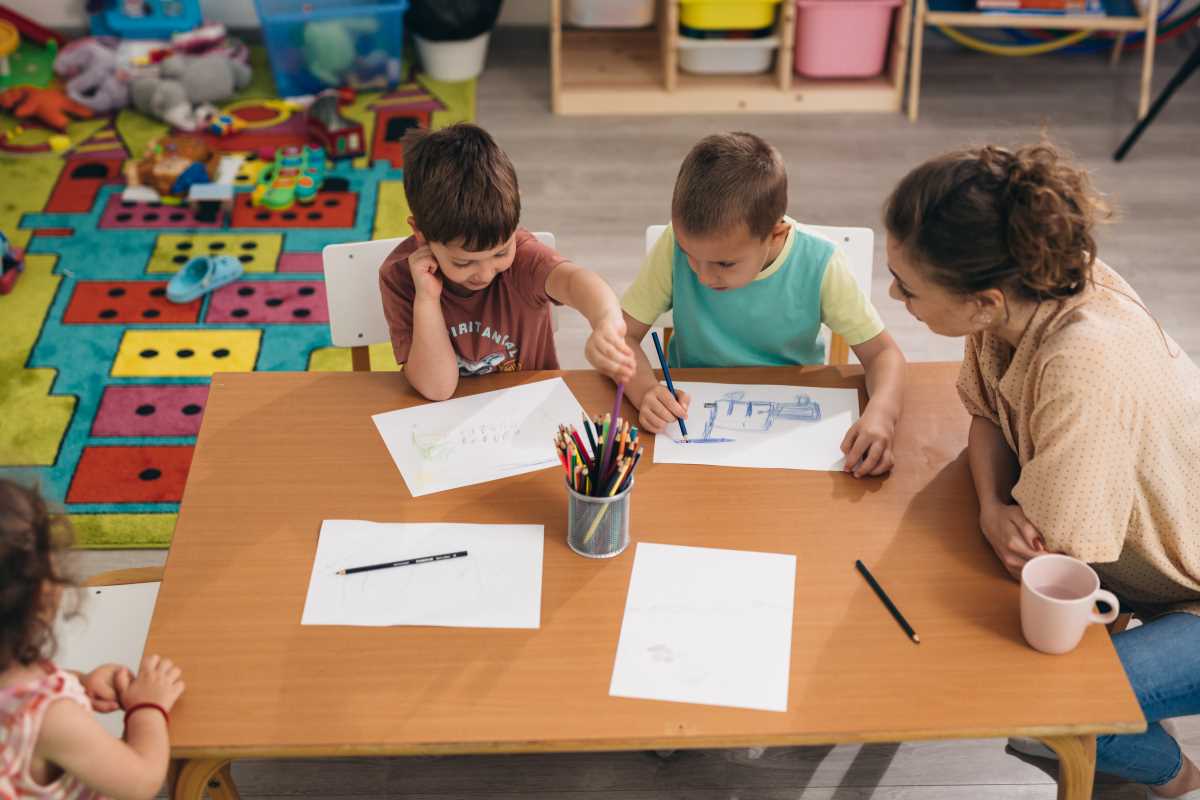
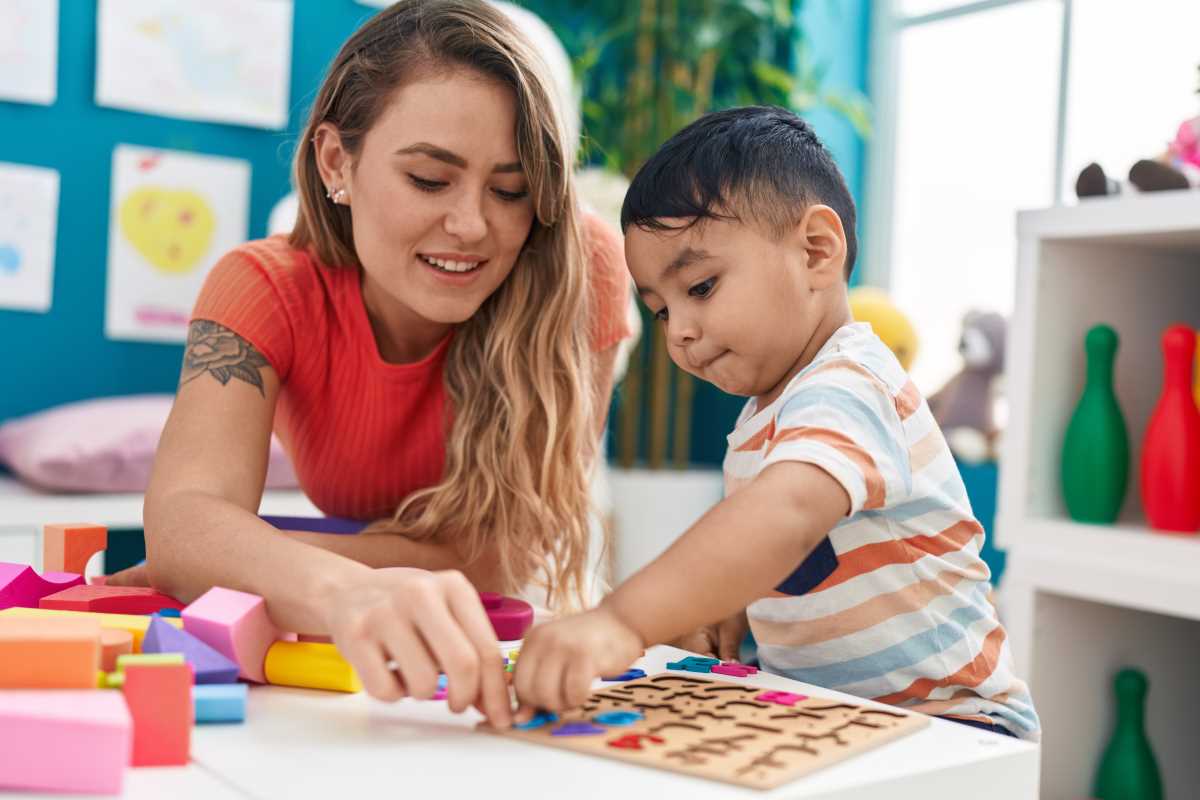
Watching children during free play provides a wealth of information. You observe problem-solving as they figure out puzzles, language skills as they narrate pretend adventures, and social cues as they negotiate roles in a game. Carry a small notebook or use a quick digital app to note down key behaviors.
To make observations actionable, set up a simple framework:
- Define clear focus areas, like fine motor skills or social interactions.
- Record direct quotes or specific actions (“Emma stacked five blocks,” “Liam asked, ‘Can I join?’”).
- Note the date, time, and context to monitor growth over weeks.
This method takes minutes but provides rich insights over time.
Portfolio Collections
Portfolios gather snapshots of children’s work—drawings, photos, writing samples—organized into a chronological folder. Each entry includes reflections from children about their creations. That personal touch reveals their thought process.
Set up a simple portfolio system with categories like “Art,” “Emergent Writing,” and “Science Explorations.” Encourage children to review their portfolios periodically and share their favorite pieces. This practice boosts ownership and confidence.
Play-Based Assessments
You can incorporate assessment into daily activities by guiding pretend scenarios. For example, set up a pretend grocery store and observe how children use math when they count play coins, weigh items, or organize shelves. You see real skills in a low-stress environment.
Here’s a quick checklist to help you get started:
- Select a familiar play theme based on children’s interests.
- Introduce a clear prompt (e.g., “Let’s make a shopping list together”).
- Observe interactions, note problem-solving strategies, and record language skills.
At the same time, replace the phrase with the linked version to create a smooth reference.
Interactive Checklists
Checklists pair well with small-group or one-on-one moments. Create laminated lists that highlight key skills—like “follows two-step instructions” or “identifies basic shapes.” Use a dry-erase marker to mark observed skills in real time.
This quick-reference tool lets you record observations without disrupting flow. After a block of play, tally the notes and discuss patterns at team meetings. This visual snapshot helps you plan targeted supports.
Peer and Self-Assessment
Encouraging children to reflect or notice classmates’ efforts builds self-awareness and empathy. You might introduce a simple thumbs-up/thumbs-down system, where kids evaluate how well they completed a group task, like building a bridge out of sticks.
To support self-assessment:
- Model the process by thinking aloud: “I tried my best, but I could add one more stick to make it sturdier.”
- Provide sentence starters: “I’m proud of…” or “Next time I want to try…”
- Encourage gentle peer feedback, focusing on positive comments first.
This approach helps children understand their own learning better and develops a culture of reflection.
Integrate these methods into your routines to gather authentic, meaningful data without extra stress. Each technique highlights different skills and helps you tailor your support.
Select one approach, try it for a week, and compare the results. This helps you identify what works best with your group and improves your teaching plans.