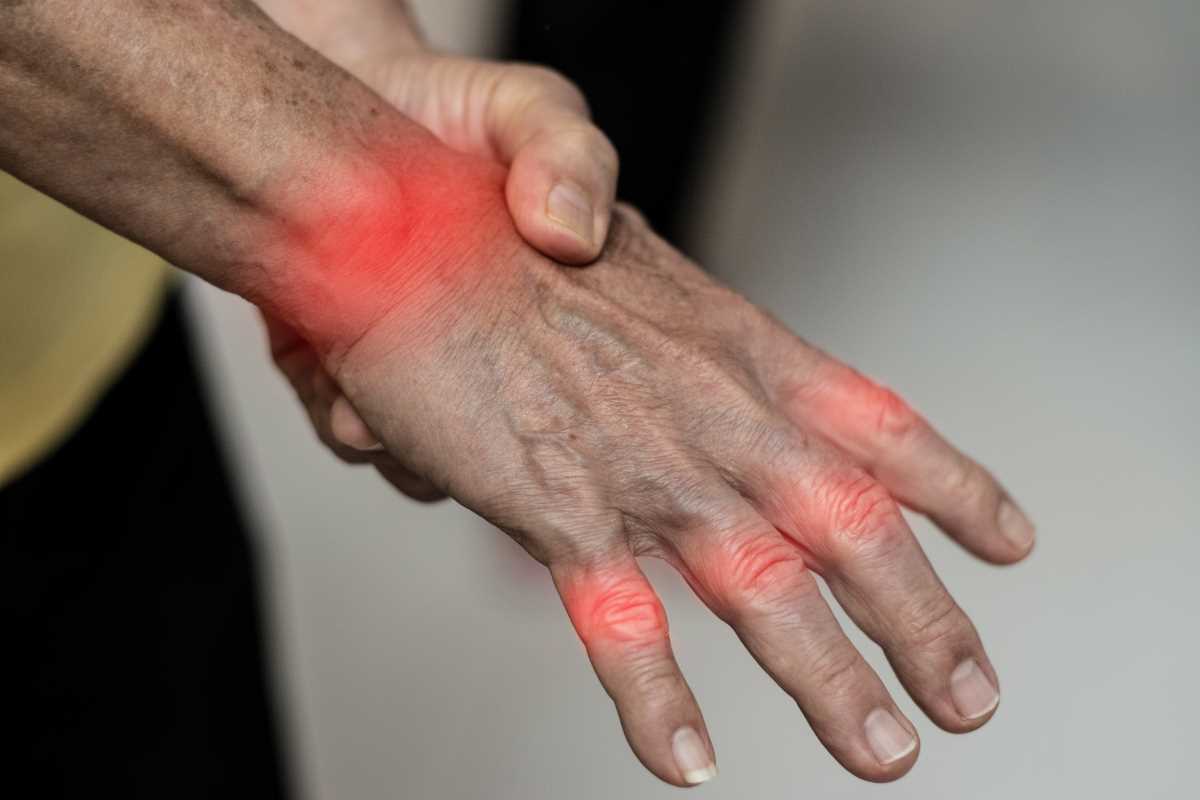
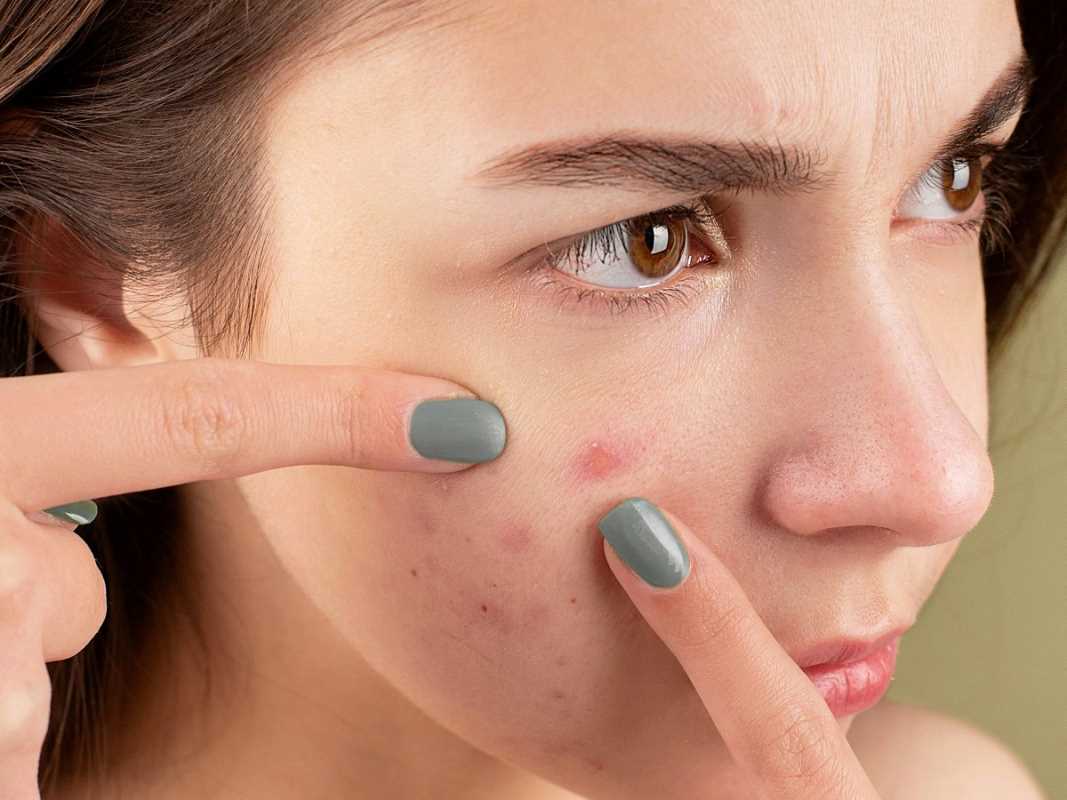
 (Image via
Noticing a rash that appears and disappears, especially when paired with persistent tiredness or aching joints, often leaves people searching for answers. Many are familiar with the sting of hives after contact with poison ivy or the itch of dry, flaky patches during cold months. Yet when skin changes travel across different areas, show up unexpectedly, or refuse to follow any clear pattern, the body could be sending early signs of an autoimmune condition. This guide offers clear ways to pay attention to subtle symptoms, provides step-by-step methods to examine your skin, and explains how to decide when it’s best to consult a medical expert.
Clues Hidden Beneath the Surface
Unexpected Flare Timing
Autoimmune-related skin reactions often break the usual patterns seen with common rashes.
- Typical reactions:
- Contact dermatitis flares within hours of exposure to an irritant.
- Heat rash appears during heavy sweating or high temperatures.
- Autoimmune signals:
- Intensify late at night or after periods of stress.
- Appear or disappear without any obvious external trigger.
- Shift when only internal factors change, such as sleep or workload.
- What it suggests:
- Immune signaling errors rather than direct contact with an irritant.
Symptom Spread Beyond Skin
Skin is rarely the only system involved in autoimmune activity.
- Surface-level clues:
- Localized itching or redness confined to one area.
- Broader immune indicators:
- Redness extending toward joints or following small blood vessels.
- Tingling or numbness in fingers alongside a torso rash.
- How to track it:
- Note joint stiffness, nerve sensations, or fatigue alongside skin changes.
- Compare timing of skin flares with non-skin symptoms to spot patterns.
Resistance to Topical Fixes
The body’s response to treatment can reveal what’s really driving the reaction.
- Common rash response:
- Hydrocortisone or antihistamines reduce redness and itching within 24–48 hours.
- Possible autoimmune response:
- Minimal improvement despite multiple standard remedies.
- Relief that is short-lived before symptoms return unchanged.
- Key takeaway:
- When surface treatments consistently fail, the underlying issue may be immune-driven rather than purely skin-deep.
Steps to Identify the Issue in Real Life
Observation Diary
Keep a dedicated notebook to capture flare details as they happen.
- What to record: start time, exact body location, foods eaten, stress level, weather, and sleep quality.
- Timing matters: write entries within five minutes of noticing changes to avoid memory gaps.
- Review cadence: scan entries weekly to spot links between habits and flare behavior.
- Extra detail: note sensations such as heat, tingling, tenderness, or tightness alongside visible changes.
Photographic Record
Create a consistent visual timeline of your skin changes.
- How to shoot: use clear, well-lit photos with the same background and camera settings each time.
- Organization: label files with date and time; store them in a single folder.
- Clinical value: a photo series helps clinicians identify triggers and progression patterns.
- Scale reference: include a coin or ruler in each image to show size accurately.
Pressure Test
Check how the skin responds to brief pressure.
- Method: press a clean, clear glass tumbler against the area for 10 seconds, then release.
- Interpretation:
- Redness that fades and returns suggests a typical capillary response.
- Redness that persists or deepens may indicate deeper immune involvement.
- Compare: repeat on multiple spots and note differences.
- Hygiene: clean the glass between tests to avoid bacterial transfer.
Moisture Variation Trial
Observe how moisture affects the rash.
- Setup: cover half the area with a thin, hypoallergenic, breathable film for 24 hours; leave the other half exposed.
- What to watch: changes in redness, itch, spread, or texture under sealed vs. open conditions.
- Typical patterns: irritant/allergic rashes often worsen when sealed; some immune-related rashes change little or improve.
- Caution: stop if irritation increases significantly.
Temperature Shift Check
Test sensitivity to cooling and warming.
- Protocol: apply a cool compress for 10 minutes, then a warm compress for 10 minutes.
- Observe: which condition soothes or aggravates symptoms.
- Repeatability: repeat over three days to confirm consistent responses.
- Safety: wrap compresses in a soft cloth to avoid skin injury from extreme temperatures.
- If patterns point beyond surface triggers or symptoms persist, bring your notes and photos to a healthcare professional for targeted evaluation.
When to Seek Professional Input
- When your diary and photos reveal cycles lasting longer than four weeks without noticeable triggers.
- If new symptoms appear—like swollen joints, fever spikes, or persistent fatigue—alongside skin changes.
- When topical steroids or antihistamines do not ease itching or redness after consistent application for seven days.
- If the rash covers more than 10% of your body or extends to sensitive areas such as the face or genitals.
- When you experience widening of the rash margins despite avoiding known allergens or irritants.
Preventive Habits and Home Care
- Hydration Routine: Drink plain water consistently throughout the day to support overall skin health. Aim for at least eight 8-ounce glasses, and replace two of those with herbal teas lacking caffeine to reduce potential dehydration. Proper hydration helps maintain barrier function, letting skin repair minor damage before it becomes a flare site. Tip: monitor urine color—it should stay pale straw for optimal hydration.
- Fabric Choice: Wear loose-fitting, unbleached cotton garments when you notice early signs of a rash. Natural fibers allow air flow and reduce friction, preventing irritants from rubbing against your skin. Switch to fragrance-free laundry powder if you previously used strongly scented detergents. Tip: rinse twice in your machine’s extra-rinse cycle to eliminate residual soap particles.
- Gentle Cleansing: Replace harsh bar soaps with a mild syndet body wash with pH around 5.5. Use lukewarm water and apply with fingertips instead of a loofah to prevent micro-tears. Follow cleansing with a light, fragrance-free moisturizer while skin remains damp to lock in moisture. Tip: layer a thin coat of occlusive balm over dry patches at night to promote repair during sleep.
- Stress Management Breaks: Schedule two five-minute relaxation pauses somewhere quiet each day. Focus on steady breathing and gentle shoulder rolls to ease muscle tension that can worsen immune-driven rashes. Use a timer rather than watching the clock to keep your mind free from time worries. Tip: pick the same daily slots—like mid-morning and early evening—to turn breaks into a reliable habit.
- Sun Exposure Tracking: Note how long you spend in direct sunlight when enjoying outdoor activities. Mild UV exposure can calm certain autoimmune rashes but excessive rays may worsen others. Start with five-minute increments, then add two minutes weekly while observing your skin’s reaction. Tip: wear broad-spectrum SPF 30 on unaffected areas and remove sunscreen from rash sites when testing controlled sun doses.
Notice timing, spreading, and responses to daily remedies to determine your rash's cause. Monitor changes, try simple treatments, and contact a dermatologist if products like CeraVe or Aquaphor do not help.