 (Image via
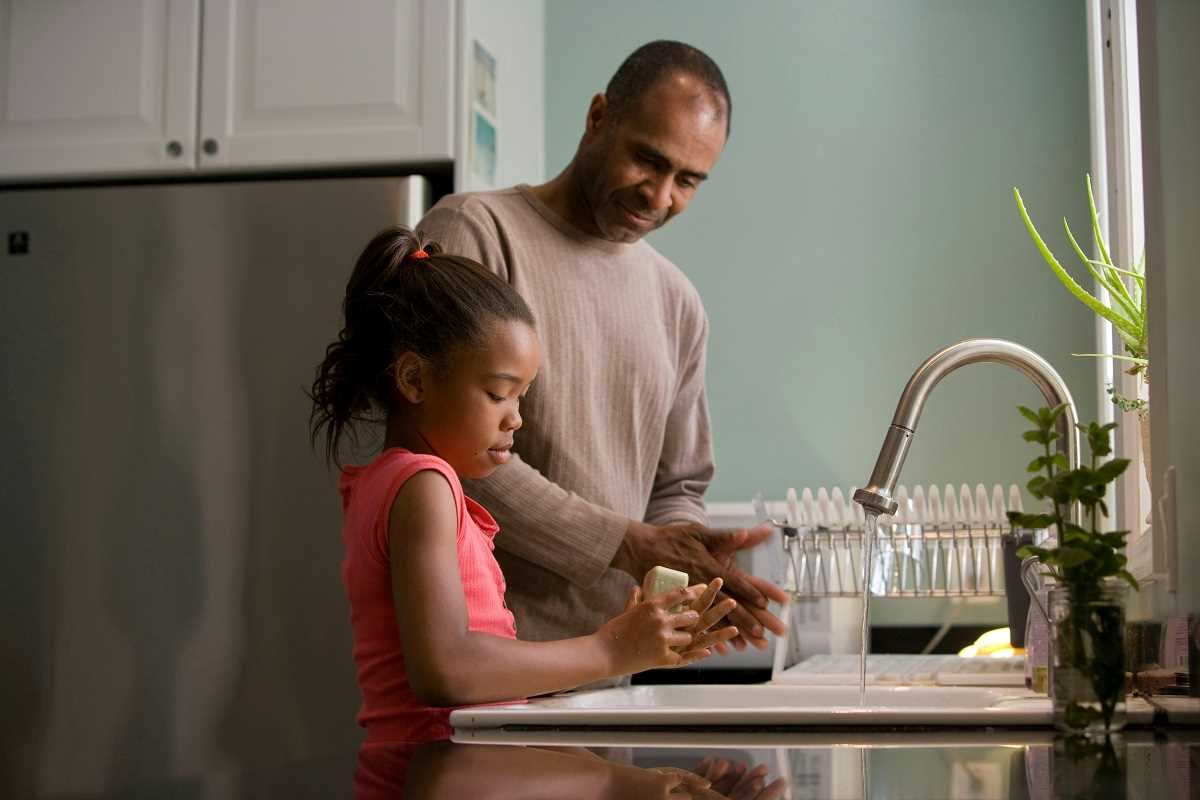
Life in a busy shared kitchen often means navigating stacks of dirty dishes, closed windows, and the casual sharing of towels and utensils. While this environment can feel comfortable and familiar, it also creates the perfect setting for germs like bacteria and viruses to spread. Every action, from wiping a countertop to passing a mug, plays a role in how illnesses find their way from one person to another. Even simple habits, such as opening a window or cleaning more frequently, can make a significant difference. By paying attention to these everyday routines, people can help reduce the chances of getting sick in shared living spaces.
Understanding Vulnerabilities in Shared Spaces
Sharing living spaces brings simple joys—late-night chats, impromptu potlucks, movie marathons. But it also creates opportunities for microbes to spread from person to person. When roommates coordinate their habits—like everyone grabbing the same sponge or skipping fresh air breaks—they carry tiny organisms on damp surfaces and in stale air. Recognizing how daily group routines create microhabitats changes your view of common areas.
Look at kitchen counters. If one person leaves a damp cutting board, the next shrimp or apple they slice becomes a point of entry for germs that have settled there. When you see cleaning not just as a solo task but as a group effort, you change the approach. Wiping down the counter after each use becomes less about chores and more about respecting everyone’s health.
Small Changes That Improve Communal Health
Roommate after roommate schedules laundry on the same evening. When that hamper overflows, it becomes a breeding ground for fungi and odor-causing bacteria. Instead of treating laundry day as a free-for-all, coordinate staggered times or assign color-coded baskets to keep damp clothes from lingering. This social adjustment keeps linens fresh and reduces mold hotspots.
Airflow in common rooms often remains limited because people worry about drafts. Yet stale air traps moisture and tiny droplets. Opening a window during TV time or running an extraction fan ensures continuous air exchange. These small tweaks to daily routines don’t require big money or fancy gadgets, but they break up the environment that pathogens rely on.
Top Preventive Measures You Can Try
- High-Efficiency Particulate Air (HEPA) Vacuum Cleaner, home/appliance category: removes particles down to 0.3 microns with a sealed system; costs around $200–$350, available online and in stores. Insider tip: Empty the dust bin outside to prevent allergens from returning into the room and change filters every six months.
- Ultraviolet Germicidal UV-C Lamp, sanitization device introduced in 2021: emits germ-killing wavelengths directly onto surfaces without chemicals; costs about $60–$80 per unit. Insider tip: Use short cycles in unoccupied rooms and position the lamp at a 45-degree angle to reflect UV rays under cabinets.
- Alcohol-Based Hand Rub, personal hygiene category: contains at least 70% ethanol for quick antiviral effects; refill packs cost $5–$10 and fit in purses or backpacks. Insider tip: Place the dispenser near the entryway with a schedule sheet to remind everyone to sanitize after group activities.
- Copper Alloy Door Handle Covers, hardware category: lever-style covers utilize copper’s natural antimicrobial properties to reduce pathogens continuously; each costs about $15–$20. Insider tip: Clean covers weekly with mild detergent to prevent oxidation from decreasing effectiveness.
- Digital Humidity and Temperature Monitor, smart home device released in 2020: shows real-time relative humidity between 30% and 50% for optimal pathogen control; priced at $25–$40 online. Insider tip: Mount it near showers or laundry areas and set alert thresholds to know when to open a window.
Make Hygiene a Part of Everyday Life
- Assign different chores weekly so each person takes turns disinfecting surfaces—counter wipes, faucet scrubs, appliance cleaning—to promote shared responsibility.
- Create a simple plan for airing out common spaces: pick two times daily for window ventilation and record it on a shared digital calendar.
- Hold group check-ins every Sunday evening to review cleaning supplies, restock essentials, and share feedback on what works best.
- Introduce a rotating “microbe detective” role that tests surfaces with available swab kits to find hidden hotspots.
- After group meals, take a quick 60-second stretch and sanitize hands to prevent transferring germs to personal devices.
Track and Improve Your Efforts
Monitoring illness patterns helps you see how these changes actually work. Encourage everyone to log symptoms on a shared spreadsheet—just brief notes when someone feels unwell. Over time, you will notice patterns, such as specific rooms or habits linked to colds or sniffles.
Review that log during your weekly meeting. Celebrate weeks when no one reports symptoms and troubleshoot when issues arise. Small pieces of data can lead to major improvements without turning your home into a science experiment.
These targeted actions and teamwork help keep shared spaces healthy while maintaining fun and comfort.