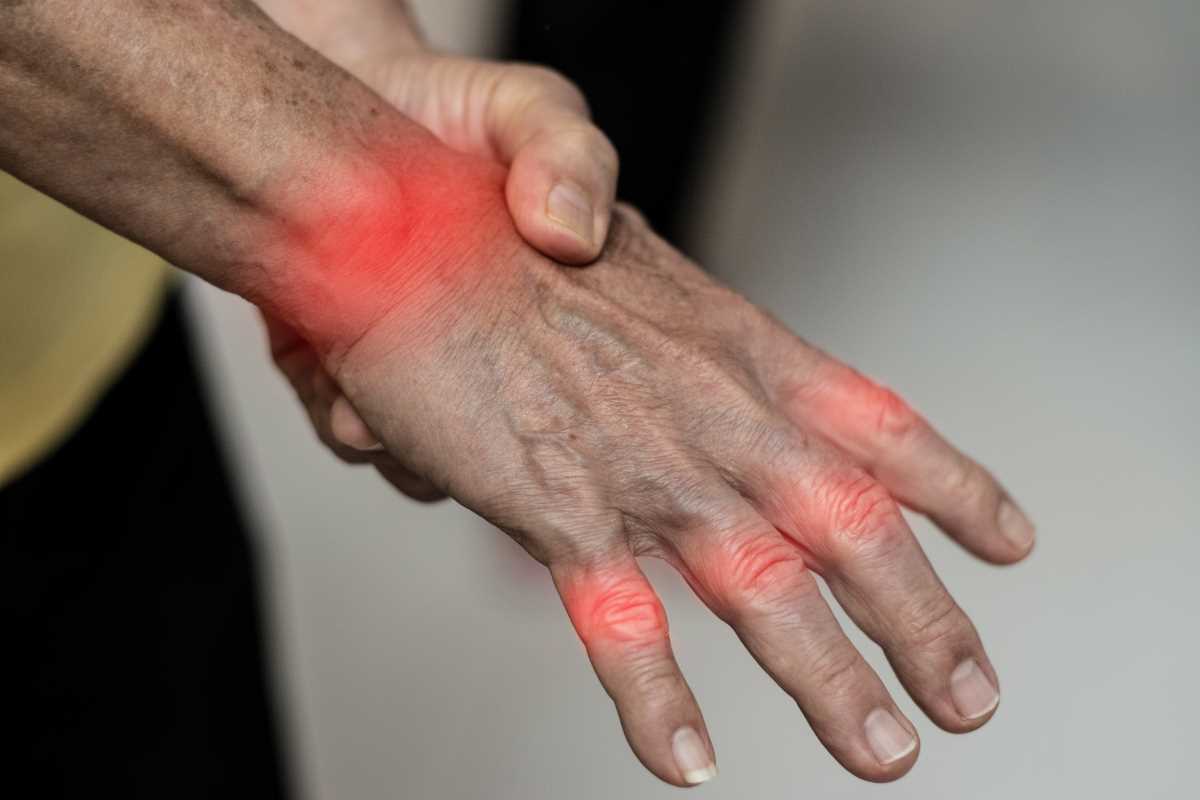
 (Image source: Gemini)
 Your body is surprisingly communicative. It doesn't just exist. It constantly sends signals through a complex network of nerves, hormones, and biological feedback loops. Most of these signals are the digital equivalent of a "low battery" notification on your phone. Maybe you're a bit dehydrated, or perhaps you stayed up too late scrolling through social media. But sometimes, the dashboard of your health lights up with a warning that you can't afford to ignore. The trick is knowing how to distinguish between a "check engine" light that requires a trip to the mechanic and a "low washer fluid" alert that you can handle yourself. In 2026, we have more access to health data than ever, yet many of us still struggle to identify when a symptom crosses the line from annoying to alarming.
The philosophy here isn't to build health anxiety. Nobody wants to spend their weekend in a Google search spiral. Instead, it's about being a smart advocate for your own biology. It's the "better safe than sorry" approach, backed by clinical logic. When you understand what "red flag" symptoms actually look like, you can handle the healthcare system with confidence rather than fear.
Unexplained Weight Loss and Persistent Fatigue
Have you ever noticed your jeans feeling a bit loose even though you haven't stepped foot in a gym or changed your diet? Although some might see unexpected weight loss as a lucky break, doctors see it as a primary red flag for metabolic or oncological issues. Losing more than five percent of your body weight (or about 10 kilograms) within three to six months without trying is a significant clinical marker.
This isn't about the fluctuations that happen after a weekend of hiking or a bout of the flu. This is a steady, unexplained decline. It often points toward the body consuming its own energy reserves to fight an underlying problem, such as early-onset colorectal cancer or a thyroid disorder. With colorectal cancer rates projected to rise by 140 percent by 2030, paying attention to these shifts is more important than ever.
Then there's the issue of fatigue. We all live busy lives, and feeling "burnt out" is almost a cultural default setting. But there's a massive difference between being tired after a long week and experiencing chronic, medically concerning exhaustion. If you find that a full night of sleep leaves you feeling just as drained as when you went to bed, something is wrong.
Persistent fatigue that doesn't improve with rest is often the body's way of saying it's overwhelmed. It could be iron deficiency anemia, which is frequently found in routine blood work, or it could be a sign of a more systemic infection. If you're checking both boxes (losing weight and feeling like a zombie) it's time to schedule a complete blood panel. Your doctor needs to look at your inflammatory markers and metabolic function to see what's happening under the hood.
Neurological Changes When Your Brain Signals Distress
For your brain, time is the most valuable currency you have. Neurological symptoms are often the most dramatic "red flags" because the brain is the mission control center for everything else. If mission control starts glitching, you need to act immediately.
You've probably heard of the BE-FAST acronym for strokes, but it's worth repeating. Balance loss, Eyesight changes, Face drooping, Arm weakness, and Speech difficulty are the big ones. If you suddenly feel like the room is spinning or your vision goes blurry in one eye, don't wait to see if it "clears up." These can be signs of a transient ischemic attack (TIA), often called a "mini-stroke," which is a major warning that a full-blown stroke could be coming.
Then there's the "worst headache of your life." This isn't just a bad migraine. Doctors describe this as a "thunderclap" headache because it hits with maximum intensity within seconds or minutes. It can indicate a subarachnoid hemorrhage or other vascular emergencies. If a headache feels fundamentally different from anything you've experienced before, it's an ER-level event.
We also need to talk about spinal red flags, which people often ignore until it's too late. If you have severe back pain and you suddenly lose control of your bladder or bowel, or if you feel numbness in your "saddle" area (the parts of your body that would touch a horse's saddle), that's a medical emergency. This can indicate Cauda Equina Syndrome, where the nerves at the base of your spine are being compressed. If not treated within hours, the damage can be permanent.
Cardiovascular Red Flags Beyond Chest Pain
We've all seen the Hollywood version of a heart attack. A man clutches his chest, winces in pain, and falls to the floor. Although chest pressure or tightness is a primary symptom, the 2025 guidelines from the AHA and ACC emphasize that heart distress often looks nothing like the movies, especially in women and the elderly.
Atypical presentations are actually quite common. You might feel a sudden, unexplained pain in your jaw, neck, or left arm. You might experience intense nausea or a cold sweat that feels like a sudden flu. Most importantly, watch out for "silent" heart attacks where the only symptom is sudden shortness of breath. If you're getting winded just walking to the mailbox when you were fine yesterday, your heart might be struggling to pump effectively.
Another key indicator is sudden swelling in your lower extremities. If your ankles or feet look like balloons and the skin stays indented when you press it, you could be looking at peripheral edema. This is often linked to heart failure or deep vein thrombosis (DVT). If that swelling is accompanied by palpitations (the feeling that your heart is skipping a beat or racing like a motor), you need a clinical evaluation.
So what does this actually mean for your daily life? Dr. Allan Capin of the Cleveland Clinic suggests the ABCD Rule. If a symptom affects your Airway, Breathing, Circulation, or involves a Disability (like neurological weakness), it's an immediate ER visit. Heart disease remains the leading cause of death globally, and early recognition is the only way to change that statistic.
When to See a Doctor
Knowing you have a symptom is one thing. Knowing where to go with it is another. The healthcare system can feel like a maze, but there are a few rules of thumb that can help you decide between your primary doctor, an urgent care center, or the emergency room.
The "Rule of Two Weeks" is a great baseline for non-emergency symptoms. If you have a cough, a weird skin rash, or a change in your bowel habits that persists beyond fourteen days, it's no longer a "wait and see" situation. Minor ailments usually resolve on their own within that timeframe. Anything that lingers is officially an "underlying problem" that needs a professional eye.
When you do get into the doctor's office, communication is everything. Don't just say "I've been tired." Be specific. Say, "I've had to nap every day for three weeks, which is unusual for me, and I've noticed I'm getting dizzy when I stand up." Use the "T.I.M.E." tool if you suspect an infection is turning into sepsis. Check your Temperature, look for signs of Infection, monitor for Mental decline, and listen if you feel "Extremely ill." Sepsis causes 11 million deaths annually, and many of those happen because people wait too long to seek help.
Knowing when to visit the ER versus an urgent care center can save your life (and your bank account). Urgent care is for things that need attention today but aren't life-threatening, like a deep cut that needs stitches or a suspected UTI. The ER is for the red flags we've discussed: chest pain, one-sided weakness, high fevers with confusion, or severe trauma.¹ Research shows that 60 percent of patients with red flag symptoms don't get an urgent referral on their first visit. This makes your self-advocacy key. If you feel like something is truly wrong, don't be afraid to ask for a second opinion or a more specific test.
This article on onetosee is for informational and educational purposes only. Readers are encouraged to consult qualified professionals and verify details with official sources before making decisions. This content does not constitute professional advice.